 English


To determine whether the brake pads of an engineering vehicle need to be repaired or replaced, a comprehensive evaluation should be conducted based on visual inspection, abnormal phenomena, performance changes, and other aspects. The following are specific judgment methods and steps:
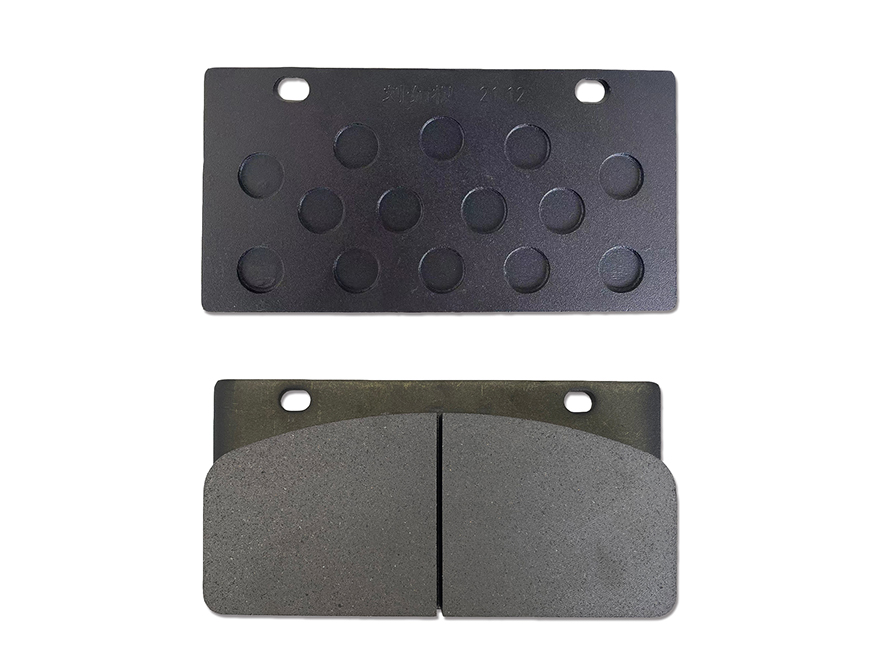
1、 Directly check the condition of the brake pads
1. Measure the thickness of brake pads
Standard thickness: New brake pads are usually 10-15 millimeters (varies by vehicle model).
Very worn: When the thickness of the brake pads is ≤ 3 millimeters (or worn to the manufacturer's warning line), they must be replaced immediately.
Inspection tool: Measure with a caliper or observe through the gap between the wheels (some construction vehicles require tire removal).
2. Observe whether the wear is uniform
Partial wear phenomenon: If there is severe wear on one side, it may be due to poor return of the brake caliper or rusting of the guide pin, and the brake system needs to be inspected.
3. Check the condition of the brake disc
Scratches/grooves: When the brake pads wear down to the metal backing plate, they can scratch the brake disc (resulting in deep grooves), requiring both replacement of the brake pads and repair/replacement of the brake disc.
Rust: Slight rust can be eliminated by brake friction; Severe corrosion requires polishing or replacement.
2、 Pay attention to abnormal phenomena
1. Abnormal noise warning
Metal alarm sound: Some brake pads come with wear alarm iron plates, which emit sharp metal friction sounds when the thickness is insufficient.
Abnormal noise: such as a "clunking" sound may indicate loose calipers or brake pads falling off.
2. Changes in brake foot feel
Brake becoming softer/longer stroke: may be due to thin brake pads or insufficient brake fluid.
Brake pedal shake: usually caused by brake disc deformation (requiring disc or replacement).
3. Decreased braking performance
It is obvious that the braking force is insufficient, or the braking distance of the construction vehicle is significantly extended under heavy load.
3、 Quick judgment under special working conditions
Frequent high-temperature operations (such as continuous downhill):
Check whether the brake pads have "burning" (surface blueing, cracks), as high temperatures can accelerate wear.
Mud and water environment operation:
The brake pads mixed with mud and sand will wear abnormally, and the brake system needs to be cleaned regularly.
4、 Maintenance suggestions
Regular inspection cycle:
Normal operating conditions: Check every 5000 kilometers or 250 hours.
Severe working conditions (mines, mud): shortened to 3000 kilometers or 150 hours.
Replacement precautions:
Be sure to replace them in pairs (synchronized left and right wheels) to avoid uneven braking force.
Choose the appropriate brake pad material (such as high-temperature resistant metal pads for high load conditions).
5、 Emergency situation handling
If the following situations are found, they should be immediately stopped and repaired:
The brake pads are completely polished (the metal backing plate directly rubs against the brake disc).
During braking, there is a burnt smell or smoke (risk of overheating).
Summary
Through thickness measurement, abnormal noise monitoring, brake foot feel, and performance evaluation, a comprehensive judgment is made, and the inspection frequency is adjusted according to the working conditions. The braking system of construction vehicles is related to safety, do not ignore major hidden dangers due to minor issues!


