 English


The performance of brake pads on construction vehicles may indeed decrease in rainy weather, but the specific degree of impact depends on various factors. The following is a detailed analysis:
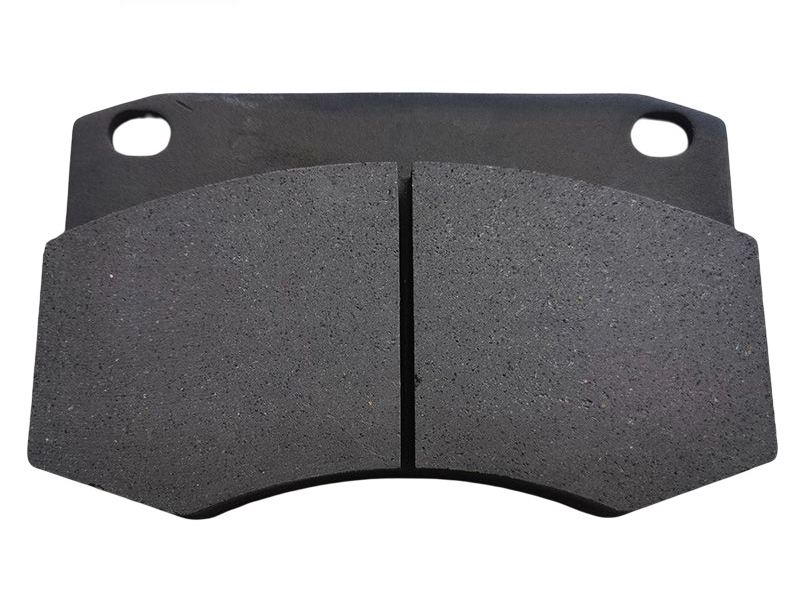
1. The influence of brake pad materials
Traditional metal brake pads:
On rainy days, a water film is easily formed on the metal surface, leading to a temporary decrease in friction coefficient (especially during initial braking), which may result in a "brake softening" phenomenon. But once the brake pads heat up and the water film evaporates, their performance will partially recover.
Ceramic/composite brake pads:
Strong water resistance, minimal performance degradation in humid environments, but high cost, less commonly used in construction vehicles.
2. The direct effect of rainwater on the braking system
Friction surface slippage:
Rainwater may seep between the brake discs and brake pads, creating a lubricating effect and reducing friction efficiency, especially at low speeds.
Corrosion risk:
Long term humid environment may cause metal brake discs to rust, which can increase brake pad wear and may cause braking noise or shaking.
3. Other related factors
Tire grip:
On rainy days, if the road surface is wet and slippery, even if the performance of the brake pads remains unchanged, the tires may slip and extend the braking distance.
Maintenance status of brake system:
Old or uncleaned brake systems (such as oil stains and mud mixtures) can exacerbate the impact of rainwater.
4. Response measures
Pre braking:
Lightly apply the brakes in advance on rainy days to generate heat and evaporate moisture through friction, thereby improving the subsequent braking effect.
Regular inspection:
Replace severely worn brake pads and clean the rust and dirt on the brake discs.
Upgrade configuration:
Under high humidity conditions, brake discs or rust resistant coated accessories with better drainage can be selected.
Conclusion
The performance of engineering vehicle brake pads may decrease in rainy weather, but it can be effectively alleviated through proper maintenance and operating habits (such as preheating the brakes). If working frequently in humid environments, it is recommended to prioritize the use of brake systems with water-resistant design.


