 English


1、 Quick diagnosis table for abnormal noise types
Abnormal noise characteristics, possible causes, danger level, solutions
Low speed light braking with a "squeaking" sharp sound, brake pad warning, and extremely worn iron plates ⚠️ Immediate replacement of dismantling and inspection thickness is required, and any remaining thickness less than 3mm must be replaced with a new one
Cold start metal friction sound, slight rust on the surface of the brake disc ✅ Normal phenomenon can be eliminated by lightly braking a few times during driving
There is a rattling noise when reversing, and the brake pad spring is loose or not installed properly ⚠️ Need to repair, reinstall and lubricate the guide pin
Continuous high-frequency whistling brake pad material is hard (low metal formula) ❗ Affects safety by replacing ceramic/NAO brake pads
Irregular "click" sound, brake pad backing plate falls off 🆘 Emergency maintenance: Stop immediately and tow the vehicle for repair
2、 6 Root Causes and Professional Solutions
1. Brake pad wear is very alarming
Principle: Most original brake pads are designed with alarm iron plates (which come into contact with the brake disc when the thickness is about 2-3mm)
Operation:
Python
If the thickness of the brake pad is less than 3mm:
Replace with a new film (it is recommended to replace coaxial pairs)
Else:
Check for other reasons
2. Material formula mismatch
Comparative experimental data:
Material Type Friction Coefficient Noise Probability Applicable Scenarios
Low metal 0.38-0.42 35% performance car
Ceramic composite 0.35-0.40 5% household car option
NAO Organic 0.32-0.38% New Energy Vehicles
Solution: Replace with ceramic based brake pads (such as Bosch Comfort Ceramic)
3. Abnormal brake system components
Maintenance checklist:
Brake disc scratch depth>1.5mm, disc/replacement required
Insufficient lubrication of the pump guide pin (using specialized silicon-based grease)
Shock absorber (shim) missing or oxidized
4. The running in period is not completed
New film adaptation standards:
Chart
Code
5. Foreign object intrusion
Processing procedure:
High pressure air gun for cleaning brake dust
Check if small stones are stuck (commonly seen after off-road driving)
Use brake cleaner to remove oil stains
6. Temperature related anomalies
Thermal shaking and abnormal noise: Brake disc deformed at high temperature (DTV>0.05mm) requires professional lathe repair
Low temperature hardening and abnormal noise: It is recommended to use winter specific brake pads in northern regions
3、 Key points of maintenance process (90% of abnormal noises can be prevented)
Pre installation processing:
Polish the edge chamfer of the brake pad with sandpaper (to eliminate stress concentration)
Apply sound-absorbing paste on the contact surface between the back plate and the piston
Torque standard:
Tool requirements for component torque value (N · m)
Brake caliper bolt 30-40 preset torque wrench
Tighten the wheel nuts 110-130 in a staggered cross pattern
Anti counterfeiting identification:
Authentic brake pad laser anti-counterfeiting code can be verified on the official website
Counterfeit products often have the following characteristics:
Packaging without production batch number
Friction materials have bubbles/impurities
4、 Special scenario solutions
New energy vehicle abnormal noise:
Due to energy recovery and reduced braking usage, it is recommended to clean and polish the brake disc every six months
Performance Car Track Day:
Be sure to drain the brake system after the race (to avoid abnormal noise caused by a decrease in the boiling point of brake oil)
5、 Cost optimization suggestions
Cost of the plan (in yuan), duration of effectiveness
Only replace brake pads 300-800 for 1-2 years
Replace brake pads+CD 600-1200 3-5 years
Complete brake system with deep maintenance for 1500-3000 years or more
Data shows that following SAE standard specifications during construction can reduce the recurrence rate of abnormal sounds by 75%.
Suggestion
Priority should be given to original factory certified parts or international ones (such as ATE, Philodo)
Reject the "three no" brake pads (the probability of noise from inferior products increases by 8 times)
Perform deep maintenance on the braking system every 20000 kilometers
Remember: Brake noise is not a minor issue, it may be the final warning issued by the braking system!
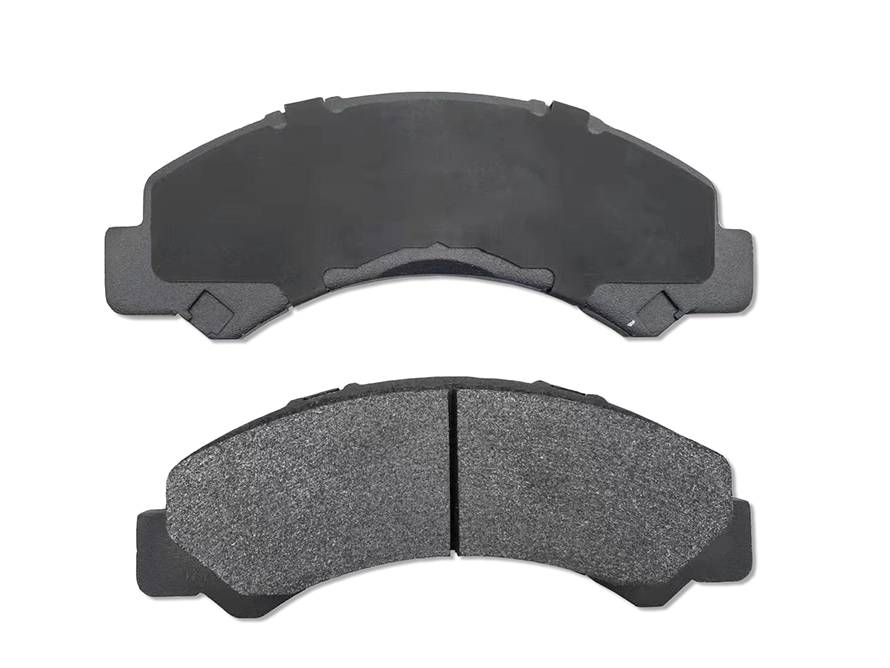
1、 Match brake system type by vehicle model
Brake type applicable to engineering vehicles, brake pad characteristics, safety points
Drum brakes for old heavy-duty trucks and dump trucks with arc-shaped thick plates (30-40mm) are equipped with reinforced springs to prevent detachment
New logistics vehicles with disc brakes and pump trucks with flat plates (with heat dissipation grooves) must match the original caliper size
Regularly replace hydraulic oil for wet brake loaders and excavator oil cooling special plates to prevent slipping
Case: Sany Heavy Industry SY365 excavator must use wet brake pads, misuse of dry pads can cause hydraulic oil pollution.
2、 Material selection: the gold standard for different working conditions
Suggested working conditions, material safety advantages, representative brands
Mining/Long downhill copper based sintered metal resistant to high temperature of 800 ℃ without degradation, Temington TMD mining series
Port/high salt spray galvanized ceramic composite anti rust and low dust Brembo Geomet coating series
Cold chain transportation low-temperature specialized composite material maintains friction coefficient at -40 ℃, Federal Mogul Arctic series
High carbon semi metal cost-effective balance for ordinary freight transportation, Xinyi heavy-duty truck special series
Blood and tears lesson: In 2022, a dump truck in a mining area overturned due to the use of inferior semi metal plates and brake failure during continuous downhill driving.
3、 Certification indicator: the life and death line that must be checked
Friction coefficient:
The national standard GB 5763 requires ≥ 0.38 (actual engineering vehicles require 0.40-0.45)
EU ECE R90 certification is stricter
High temperature stability:
At least pass the 600 ℃ thermal degradation test (mining vehicles require 800 ℃)
Harmful substances:
View copper content (EU requirement<5%) and asbestos testing report
Identification technique: The packaging must have a steel stamp of "GB 5763-2018" or "ECE R90".
4、 Brand selection: Balancing safety and cost
Brand level represents the price range of the brand (yuan/set), applicable scenarios
Top international Temington and Brembo 2000-4000 mines/hazardous chemical transportation
International second tier Federal Mogul, ACDelco 1200-2500 long-distance logistics vehicle
Domestic superior Xinyi and Jinqilin 600-1500 standard urban vehicle
Non certified white packaging 300-500 is prohibited for miscellaneous risk products!
Suggestion: Volvo Trucks' factory certified brake pads have a lifespan 30% longer than their equivalent replacement parts.
5、 Installation and running in: the final line of defense for safety
Professional installation:
Be sure to use a torque wrench (drum brake nuts require 300-400N · m)
Clean the oil and rust stains on the brake drum/disc
Scientific integration:
Avoid sudden braking for the first 200 kilometers
Complete 5-10 progressive braking cycles (from slow braking at 30km/h to stopping)
Warning: Overloading without running in can cause uneven transfer of friction materials.
6、 Intelligent Monitoring: Safety Upgrade of Modern Engineering Vehicles
Wireless sensors:
Knorr Bremse SmartPad can monitor remaining thickness and temperature in real-time
Fleet Management System:
Analyze brake loss through GPS data and provide early warning for replacement
Data shows that using monitoring systems can reduce 35% of brake related accidents.
Security Checklist
Matching vehicle brake type (drum/disc/wet)
Select materials according to working conditions (sintered metal for mining/coating for ports)
Verify GB 5763 or ECE R90 certification
Choose branded parts (preferably domestic superior, no need for cheap miscellaneous brands)
Installation+strict break in
Install intelligent monitoring equipment (recommended for fleet)
Remember: Every penny saved by engineering vehicle brake pads may be repaid at the cost of life in the future. Always prioritize safety when making choices!


